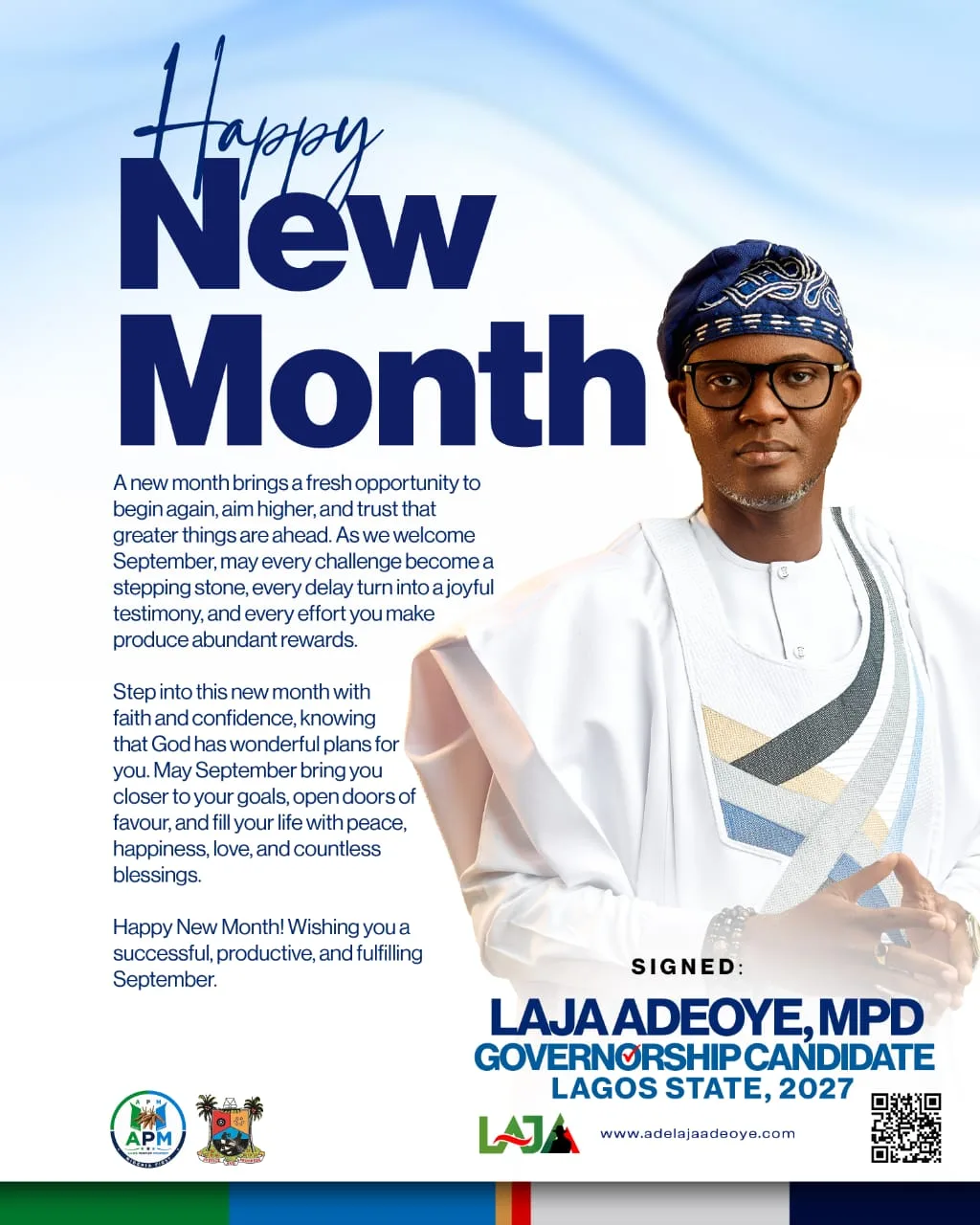
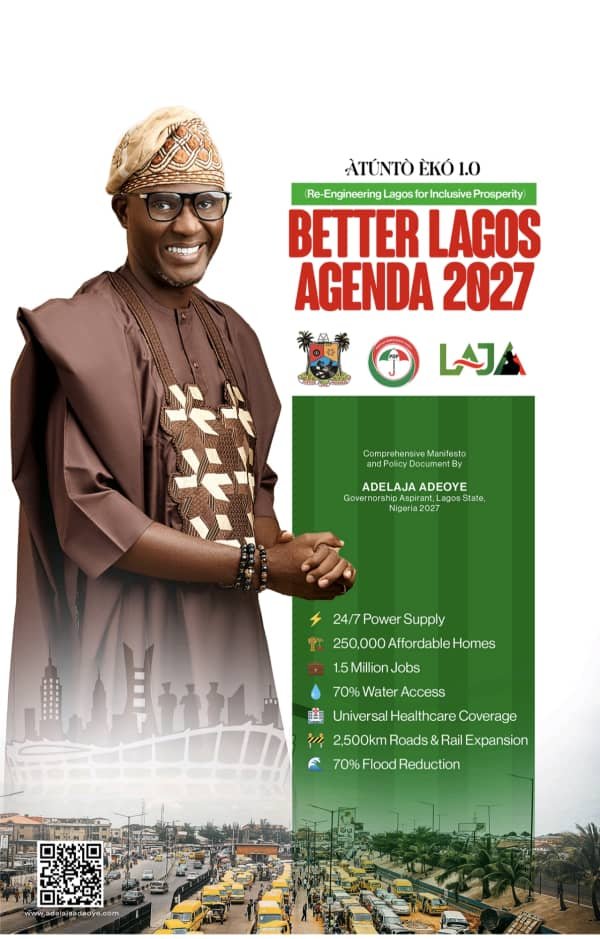
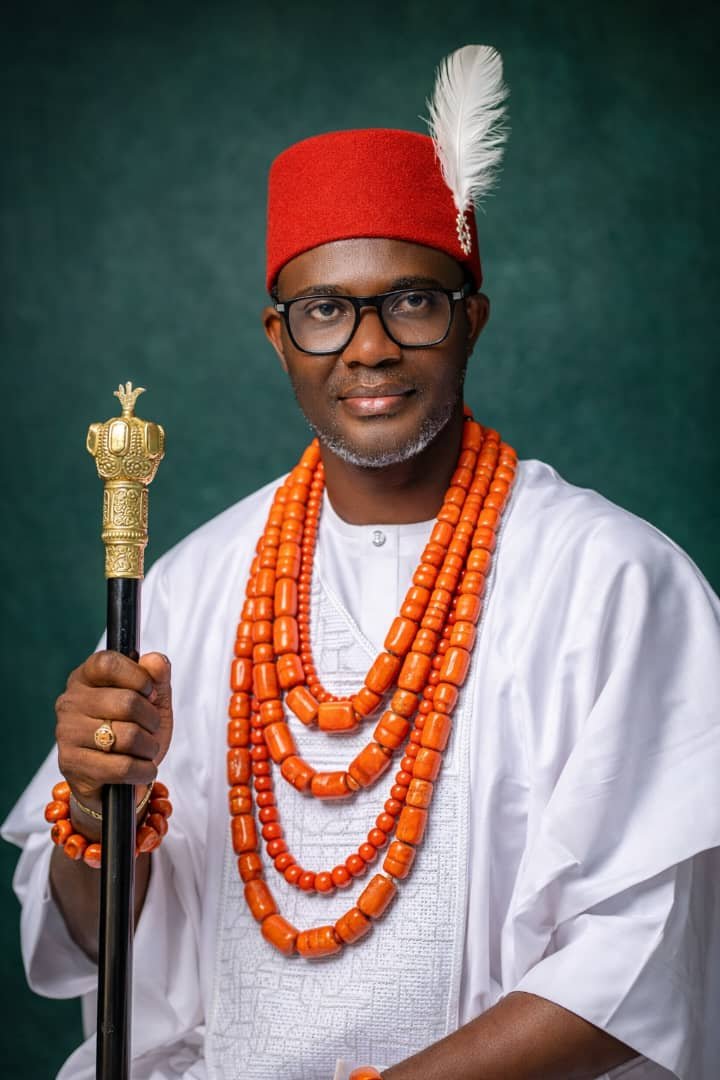
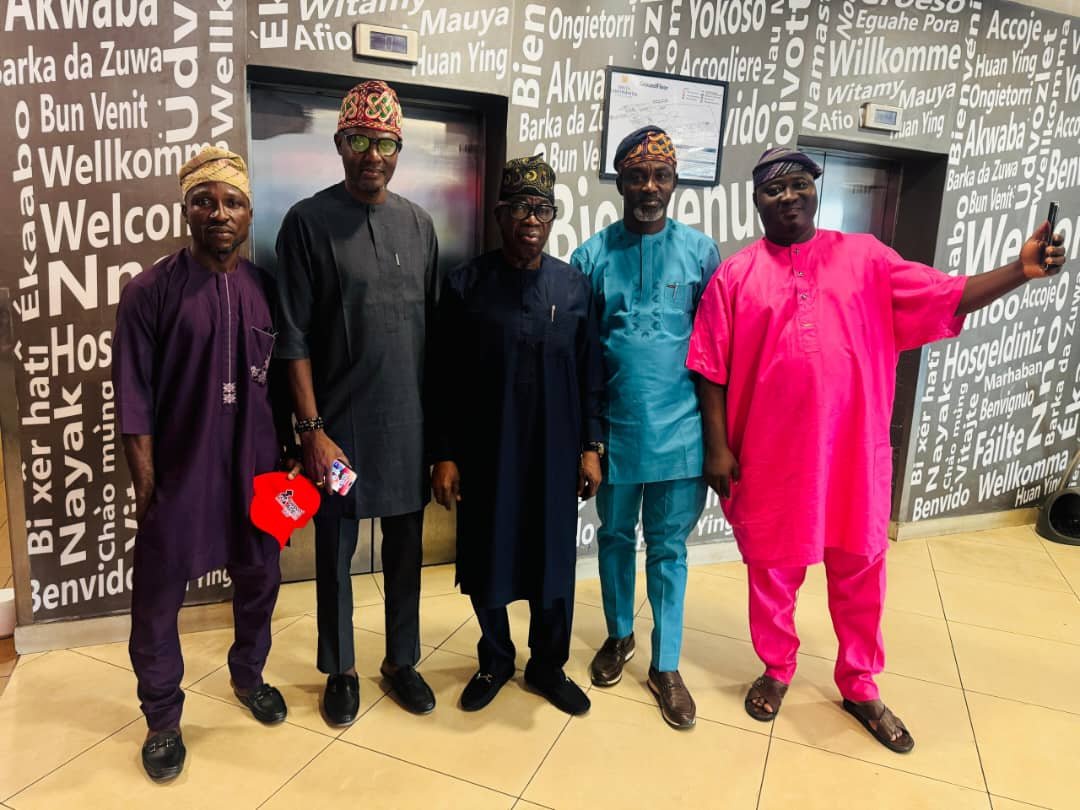
Prince Adelaja Adeoye has just been honored at the 2024 City People Real Estate Awards for his outstanding leadership and transformative impact in Nigeria’s real estate industry.
I am Prince Adelaja Adeoye, also called Prince Laja Adeoye. My story is more than real estate, politics, or public life — it is about my roots, my heritage, and my place in the history of Ijebuland and Lagos.
From childhood, I grew up knowing that I was born into royalty. By birthright, I belong to two of the four ruling houses of Ijebuland:
This dual heritage already gives me a strong connection to tradition. But my roots extend further.
From my father’s side, my paternal grandfather came from Ewujagbori in Okejagbori, Imosan-Ijebu, a suburb of Ijebu-Ode. This branch of my family has ancestral linkage to the Awori people — spread across Ijebu, Isolo (Lagos), Ota (Ogun State), and into other Yoruba settlements.
Historically, the Ijebu have also played a crucial role in Lagos ownership and development. Our lineage is part of the Ijebu communities in Ikorodu and Epe, which remain strongholds of Ijebu heritage within Lagos State. A notable son of Epe with Ijebu royal roots is Femi Otedola, whose father once served as Governor of Lagos State.
The history of the Ijebu cannot be separated from the story of Lagos.
Around the 15th century, the Ijebu established a powerful kingdom centered in Ijebu-Ode, covering about 8,130 square kilometers. Our southern border was defined by lagoon waters that stretched into modern Lagos State — Epe, Ejinrin, Ikorodu, and Ogun Waterside.
Though political boundaries today put much of Ijebuland in Ogun State, our identity is one and indivisible. The Ijebu in Lagos still see themselves as part of the same family.
Generations before us, Ijebu princes and traders expanded into Lagos:
These settlements made the Ijebu a foundational presence in Lagos State, long before colonial boundaries.
The Ijebu kingdom grew rich in the 18th and 19th centuries by controlling the trade routes between Lagos port and Yoruba hinterland cities like Ibadan. We collected tolls, controlled timber, cocoa, kola, palm produce, and even resisted foreign intrusion.
This independence led to the 1892 British Expedition against Ijebu-Ode, meant to break our trade monopoly. Yet, our reputation as bold, disciplined, and business-minded people remains unshaken. Till today, the Ijebu are known as shrewd entrepreneurs shaping Lagos commerce.
Culturally, whether in Ogun or Lagos, we share:
Politically, the Awujale remains our central figure, respected by Ijebu people worldwide. From Omu on the Ogun-Lagos border to Epe and Ikorodu, family ties and identity are unbroken.
My story is rooted in this history, but I also stand in the modern world.
I hold a Bachelor’s Degree in Mathematics and Education (double honours) from the University of Lagos, Akoka. Later, I earned a Master’s Degree in Property Development and Management from Lead City University, Ibadan.
Today, I lead Fendini Group as Group Managing Director, developers of Rayfield Gardens City Estate at Alao-Akala GRA, Ibadan — a project that embodies the Ijebu entrepreneurial spirit.
When I say I belong to royalty, it is not just about titles. It is about responsibility. My maternal lineage ties me to Fusengbuwa and Gbelegbuwa ruling houses, my paternal lineage connects me to Ewujagbori and the Aworis, and my education and business represent the new Yoruba dream.
From Ijebu-Ode to Lagos, from heritage to development, I carry the legacy of my people into the future.
I am Prince Laja Adeoye. My roots are royal, my history is strong, and my mission is to build — for my people, for my land, and for Nigeria.
Leading the transformation of Nigerian real estate with initiatives like Rayfield Gardens City Estate. Bridging corporate success and civic service through innovative enterprise and youth empowerment.