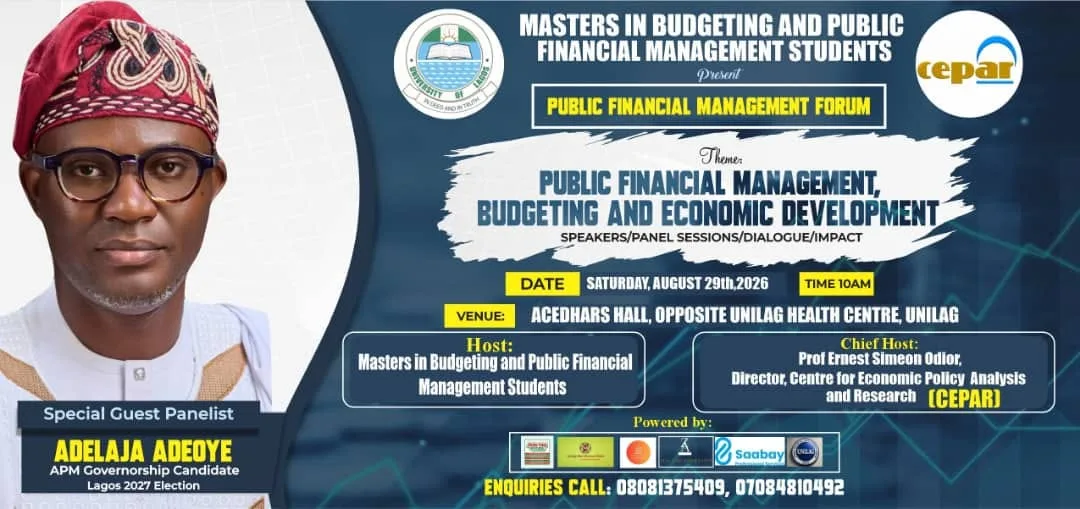
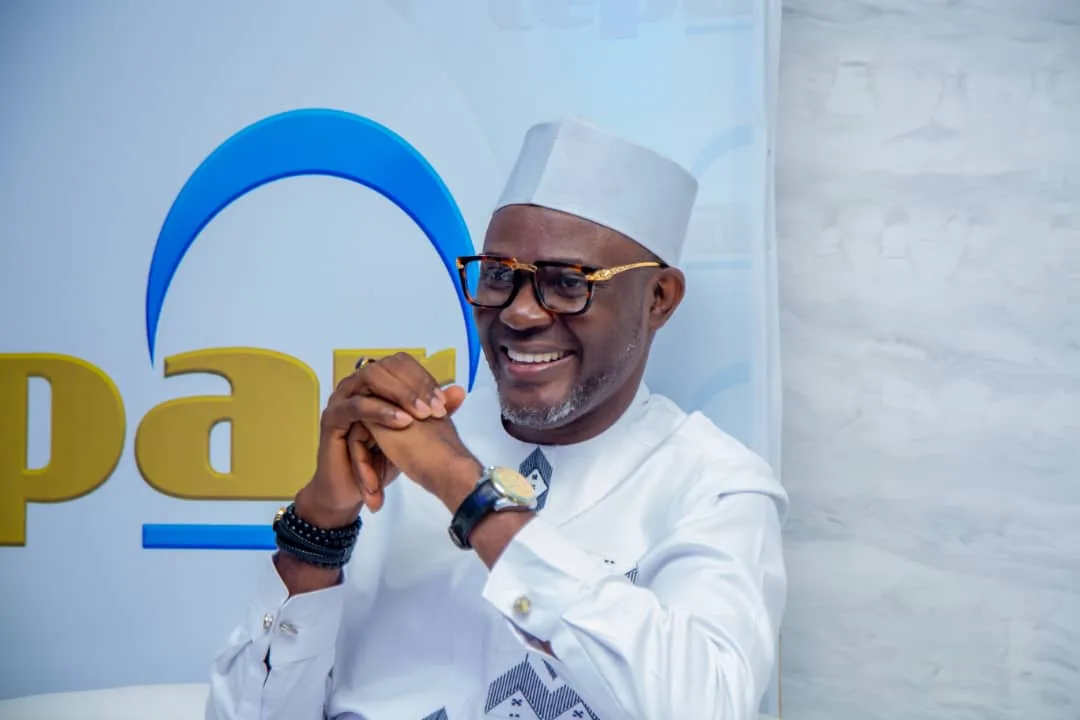
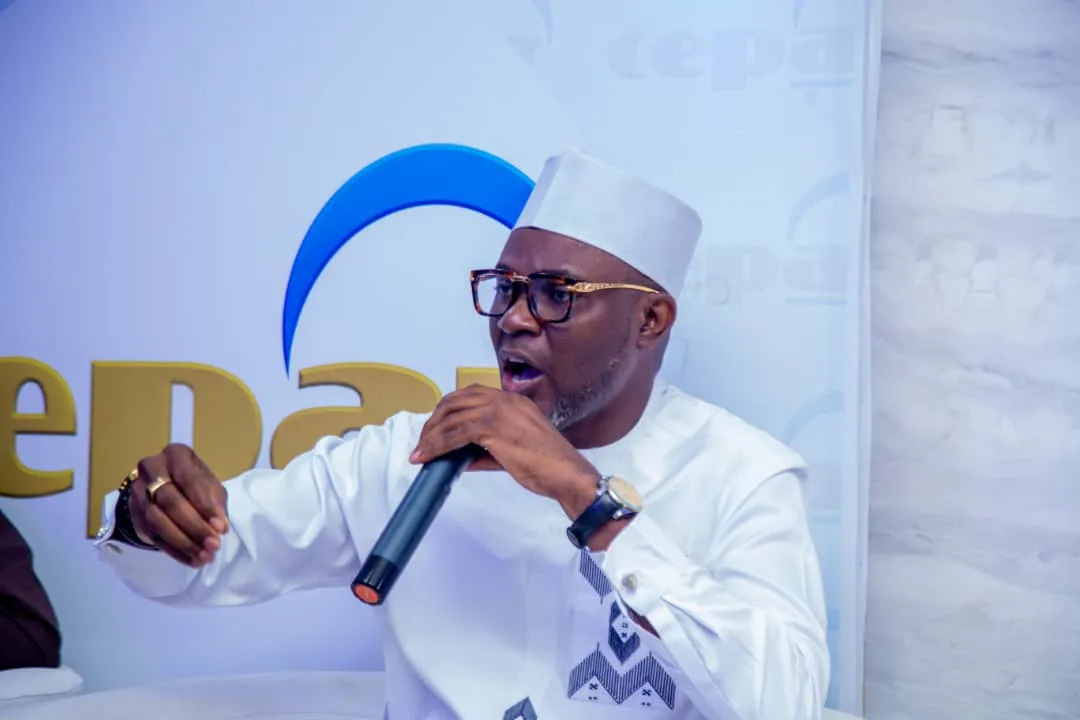
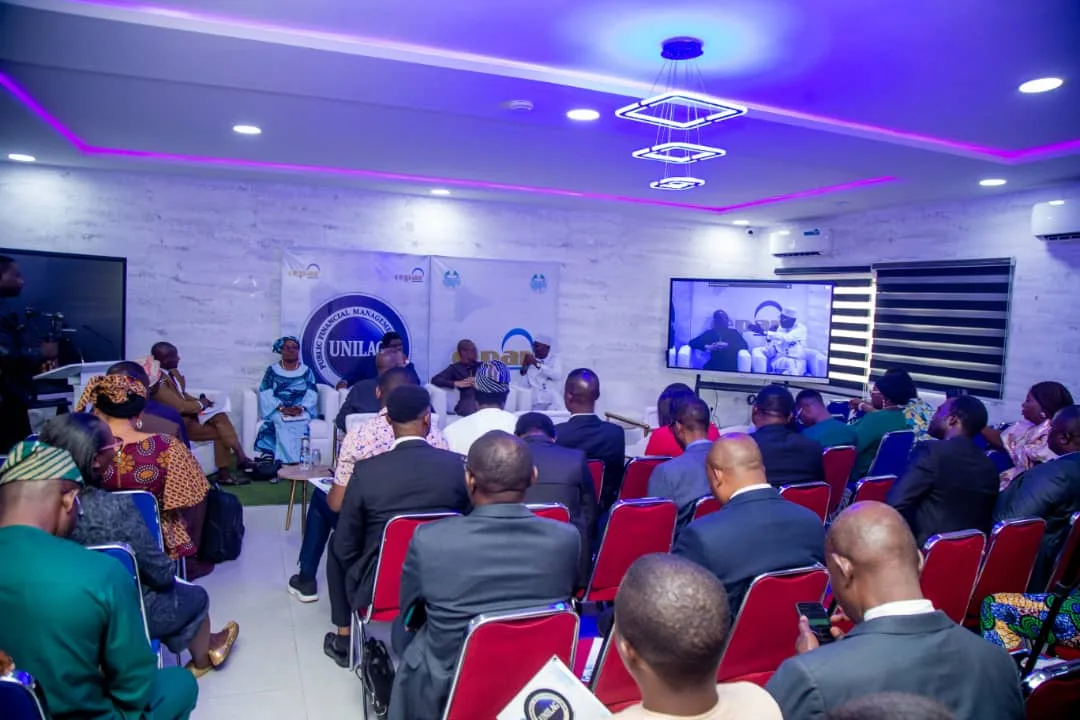
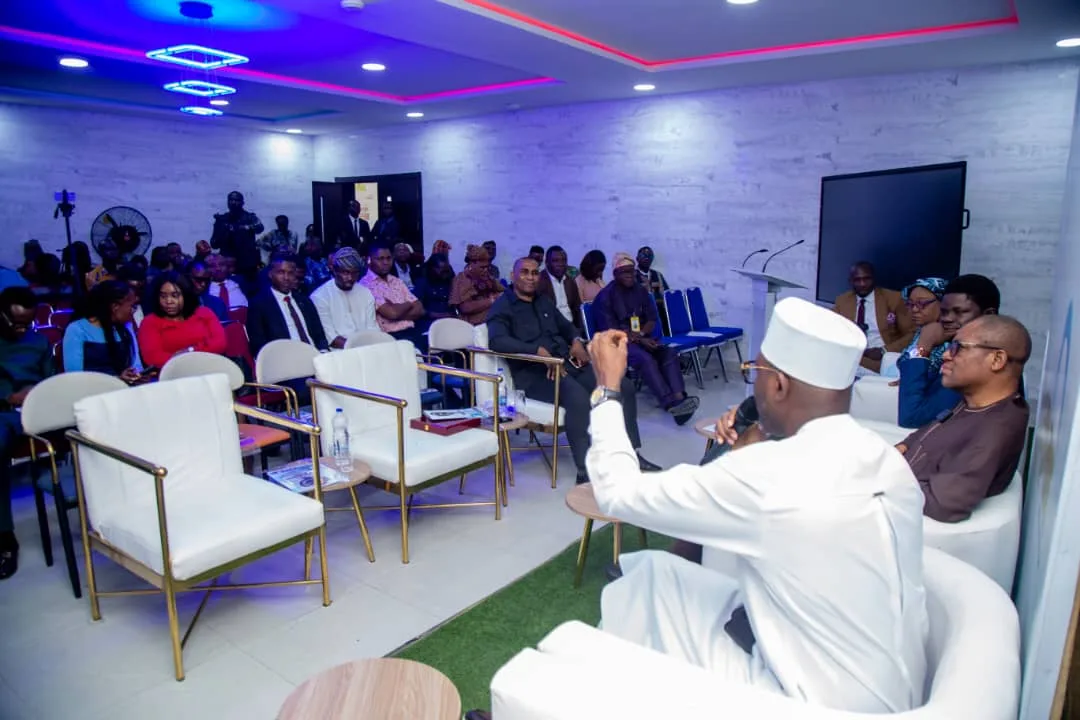
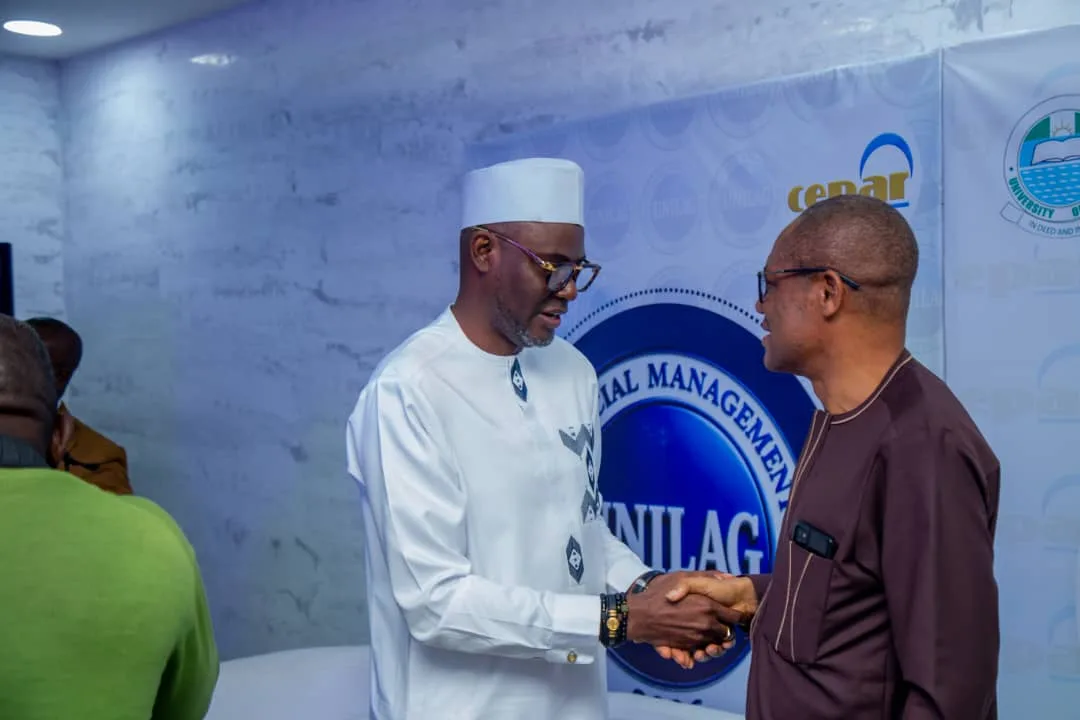
On Saturday, I joined former Chairman of the Economic and Financial Crimes Commission (EFCC), AbdulRasheed Bawa, CON, and other distinguished experts at the University of Lagos for an important conversation on public financial management, budgeting and economic development.
The summit was organised by Master’s students in Budgeting and Public Financial Management in conjunction with the Centre for Economic Policy Analysis and Research at the University of Lagos.
Former EFCC Chairman AbdulRasheed Bawa participated virtually alongside other panellists, while I had the privilege of delivering a keynote presentation focused particularly on Lagos State — its revenue performance, public expenditure and, most importantly, what those numbers mean for the everyday lives of Lagosians.
Lagos Is Wealthy, But Are Lagosians Feeling It?
There is no question that Lagos remains Nigeria’s economic engine and one of the most important city economies on the African continent.
In 2025, Lagos State recorded total revenue of about ₦2.6 trillion, with internally generated revenue rising to approximately ₦1.87 trillion.
For 2026, the state is operating a ₦4.44 trillion budget with projected internally generated revenue of about ₦2.79 trillion.
These are significant numbers.
But the question I raised at the summit was simple:
What do these numbers mean to the average Lagosian?
Revenue growth should not be celebrated in isolation. Government revenue must ultimately be measured by the quality of life it produces for the people.
As I stated during my presentation:
“Revenue growth has not translated into commensurate improvements in the daily life of Lagosians.”
For many residents, the reality remains difficult.
Lagos continues to face an estimated housing deficit of about 3.4 million units.
In recent years, rents in many parts of the state have risen by between 80 and 120 percent, while wage growth has remained around 7 to 9 percent.
This means that while the economy and government revenue may be growing on paper, the cost of survival for ordinary families is rising much faster than their income.
Healthcare presents another serious challenge.
Lagos reportedly has about 7,000 doctors serving a population that may require between 30,000 and 47,000 doctors for adequate coverage.
Similar pressures can be seen in education, security, transportation, sanitation and other essential public services.
For me, these are the figures that matter.
A successful budget is not simply one that is bigger than the previous year.
A successful budget is one that produces better schools, affordable homes, functioning hospitals, safer communities, better roads, jobs and a higher standard of living.
Lagos Needs a Different Approach From 2027
As we move towards 2027, I believe Lagos must adopt a fundamentally different approach to public financial management.
One of the commitments I made at the summit is that, if given the mandate to serve as Governor of Lagos State, I will support and implement full local government autonomy.
Government must work from the grassroots.
Our local governments are closest to the people and should have the financial and institutional capacity to respond directly to the needs of their communities.
I also spoke about the need for a healthier relationship between the executive and legislative arms of government.
There must be understanding, but there must also be accountability.
The doctrine of separation of powers exists for a reason.
The legislature must be able to perform its oversight responsibilities, while the executive must remain accountable for how public resources are spent.
When institutions function properly, the ultimate beneficiary is the citizen.
Budgets Must Begin With the People
Another important point I made at UNILAG is that budgeting cannot continue to be treated merely as an annual accounting exercise.
Before a government decides how billions or trillions of naira will be spent, it must first listen to the people.
Residents, communities, businesses, professionals, civil society organisations and other stakeholders should have meaningful opportunities to contribute to the budgeting process.
What does a community actually need?
Is it another government building, or does it need a primary healthcare centre?
Does it need another ceremonial project, or does it urgently need drainage?
Does a neighbourhood need publicity around development, or does it simply need a functional road?
Those questions should come before the budget figures.
Public expenditure must respond to real needs, not merely produce impressive numbers in a budget document.
The Atunto Eko Agenda
These principles form an important part of my Atunto Eko — Reset Lagos Agenda.
Atunto Eko is built around a simple idea: the enormous wealth generated by Lagos must translate into shared prosperity for the people who live and work here.
Our priorities include significantly increasing investment in affordable housing, strengthening primary healthcare and expanding the healthcare workforce.
Education must also receive greater attention, not simply through increased allocations, but through measurable improvements in learning outcomes and opportunities for young Lagosians.
Public financial management must become more transparent.
I believe Lagos should embrace open procurement processes, real-time tracking of government projects, independent auditing and stronger mechanisms for preventing corruption and financial waste.
Citizens should be able to see what government is spending, who is executing projects, how much those projects cost and whether they have actually been completed.
That is what accountability should look like in a modern state.
Building a More Productive Lagos Economy
We must also expand the productive base of Lagos.
Government cannot depend indefinitely on taxes while businesses struggle with high operating costs, inadequate infrastructure and other economic pressures.
A stronger industrial policy, meaningful support for small and medium-sized businesses and an environment that encourages entrepreneurship will be essential.
Security must also be treated as an economic issue.
So must environmental management and urban planning.
Investors will not continue to invest where insecurity is high.
Businesses cannot thrive where flooding repeatedly destroys property.
Residents cannot enjoy prosperity where transportation, housing and basic infrastructure are poorly planned.
Everything is connected.
If Lagos is to fulfil its enormous potential, we must begin to govern with that understanding.
A Valuable Conversation at UNILAG
I was pleased to share the platform with several respected academics and professionals, including Professor Adenike Egunjobi, Dr Peter Amah and Prince Cashmir Idekwulim of the Department of Finance, University of Lagos.
I also appreciate the Chairman of the Planning Committee, Mr David Tom, and the entire organising team for creating a platform where these important conversations could take place.
I was equally honoured to receive an award in recognition of my contribution to the summit.
More important than the recognition, however, was the opportunity to discuss one of the central questions facing Lagos today:
How do we convert the extraordinary wealth of our state into a better life for the ordinary Lagosian?
That is a question I believe the 2027 election must answer.
For me, the objective remains clear.
Lagos does not merely need bigger budgets.
Lagos needs budgets that work for the people.